AI at CPS
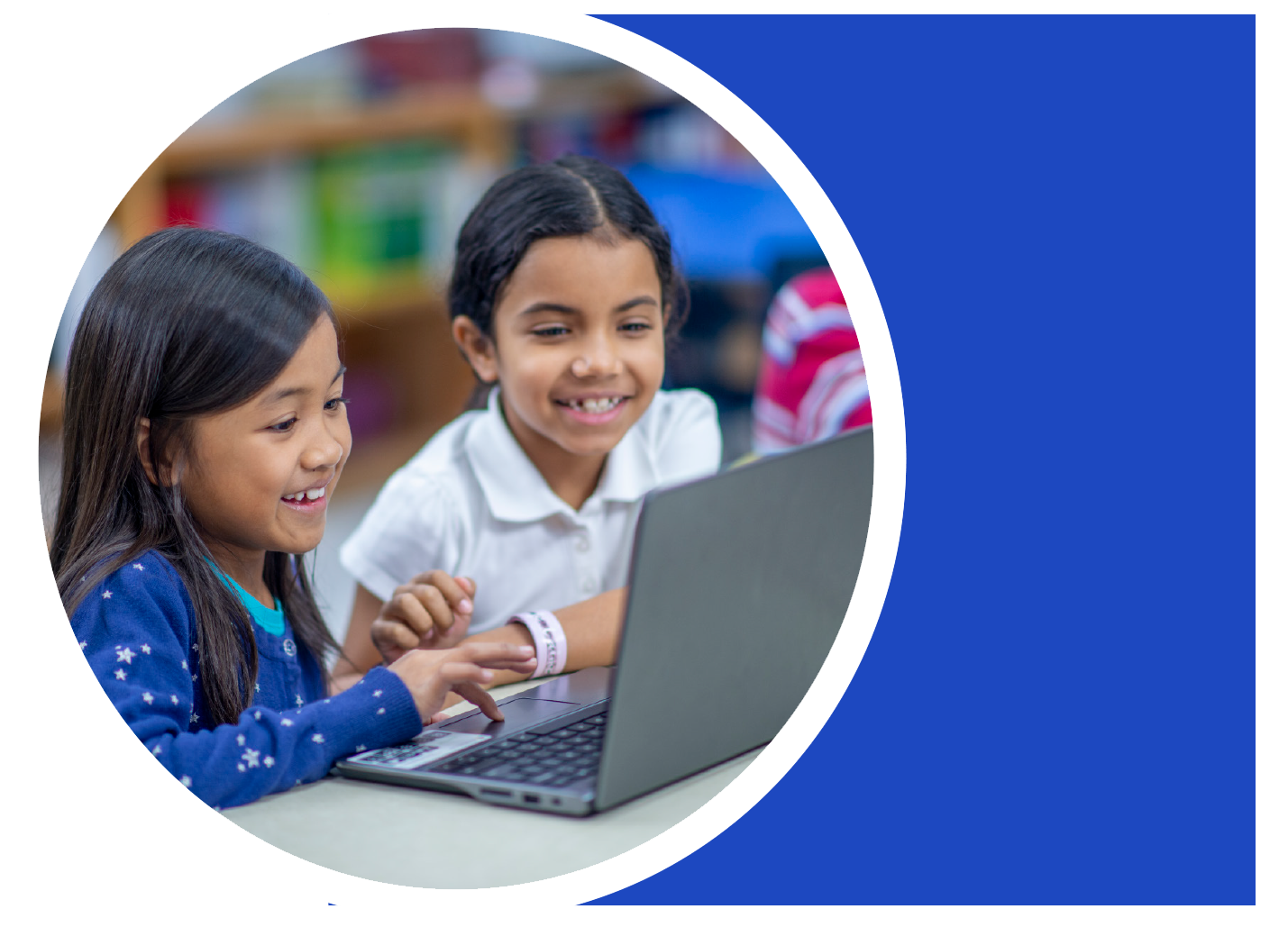
AI offers unprecedented opportunities to enhance classroom interaction, personalize learning experiences, and foster an innovative learning environment for our students. CPS is committed to integrating GenAI tools safely, responsibly, and meaningfully, ensuring they align with our educational goals and standards while upholding the values of our community.
Our Vision for AI in Education
In our pursuit of educational excellence and innovation, CPS has committed to integrating AI technologies to complement our organizational operations, support our instructional core, and drive community engagement. This strategic adoption of AI aims to enrich learning environments and empower our students, families, educators, school leaders, and community members, enhancing both teaching and learning experiences.
Guiding Responsible AI Use at CPS
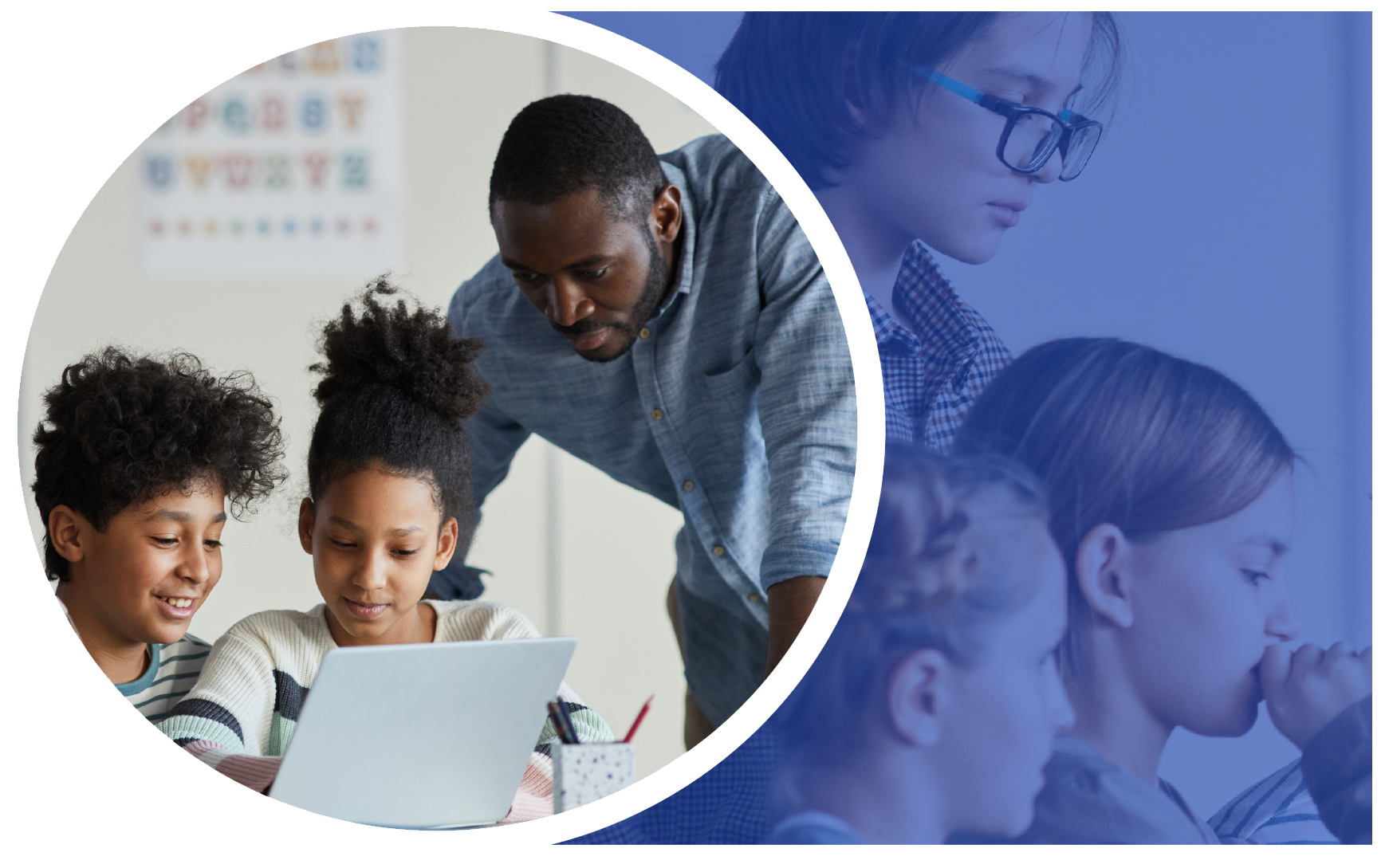
Our guidance governs the use of generative artificial intelligence (GenAI), software, and models by employees, students, contractors, volunteers, and third-party vendors. It ensures that all interactions with AI technologies are conducted in accordance with CPS standards.
Our AI Principles
Our AI Principles provide a foundation for the safe, responsible, and meaningful use of AI in education. Grounded in equity, pedagogy, and continuous improvement, these principles guide how AI is integrated into classrooms, operations, and decision-making, ensuring that its impact supports students, empowers educators, and strengthens our communities.
Equitable and Accessible
Equitable and accessible AI education ensures that all students, educators, and families—regardless of background—can engage with, benefit from, and help shape the future of AI.
Ethical and Transparent
Ethical and transparent AI practices prioritize fairness, accountability, and privacy while ensuring users understand how AI systems work.
Human-Centered and Socially Beneficial
Human-centered and socially beneficial AI in education enhances learning while keeping people at the core. These approaches prioritize personalization, human oversight, and long-term societal impact.
Continuous Improvement and Innovation
A commitment to continuous improvement and innovation ensures that AI in education remains dynamic, forward-looking, and responsive.
Accountable and Sustainable
An accountable and sustainable approach to AI ensures systems are responsibly developed, thoroughly tested, and continuously monitored.
Learn More
Our Commitment to AI Literacy
CPS is committed to building AI literacy across our entire community. We offer dedicated professional learning pathways for staff, standards-aligned digital curriculum for students through Skyline, and expanding resources for families. Explore our core pillars of AI literacy to discover how we support safe, meaningful technology integration at every level.

Foundational Knowledge

Practical Application

Ethical Awareness

Critical Thinking

Future-Oriented Perspective
Learn More
Download the Guidance
Looking Ahead
Since 2024-2025, we have worked to continuously implement the policies outlined on this website, refining and adjusting as we gather valuable insights and experiences. CPS is committed to steadily integrating GenAI guided by a devotion to ethical use, responsible innovation, and the continuous improvement of our educational practices. As we move forward, we will maintain an open dialogue within our school community, ensuring that our policies evolve to reflect our collective experiences and the ever-changing landscape of educational technology.
This guidance is issued in partnership between the CPS Office of Teaching and Learning and the Department of Information and Technology Services in accordance with the authority granted under the Board’s Information Security Policy, 19-0828-P01. This guidance will be reviewed every three months to ensure it remains aligned with technological advancements, changes in legal requirements, and feedback from our school communities.